Water is the foundation of public health, economic development, and environmental sustainability. In many African countries, significant investments are being made in water treatment and storage, but often the distribution systems; the pipelines, pumps, and control infrastructure are overlooked, leading to inefficiencies and water losses.
At OmiDrop Africa, we understand that a well designed and optimized water distribution system needs a strategic tool to build resilient, cost-effective, and eco-friendly urban and rural water networks.
Economic Benefits of Water Network Optimization
1. Reduction in Non-Revenue Water (NRW)
Non-Revenue Water: water that is produced but not billed due to leakages, theft, or metering inaccuracies, is a major issue across African cities. In some regions, NRW levels can exceed 40% , it turns out
Solution: Advanced network modeling tools like WaterGEMS, coupled with GIS mapping and smart metering, allow utilities to identify pressure zones, isolate leaks, and cut NRW significantly.
Benefits:
- Increased revenue collection
- Reduced water production costs
- Optimized operational expenditure (OPEX)
2. Lower Energy and Pumping Costs
Pumping water over long distances or into elevated reservoirs consumes a significant portion of utility energy. Poor hydraulic design leads to pressure imbalances and energy wastage.
Solution: Optimized hydraulic systems enable gravity-fed zones, pressure management, and energy-efficient pumping schedules.
Benefits
- Lower electricity and fuel usage
- Reduced carbon emissions
- Extended equipment lifespan
3. Improved Asset Management and Planning
Well structured systems supported by SCADA and IoT sensors enable proactive maintenance and data-driven decision making.
Benefits:
- Optimized capital planning
- Better return on infrastructure investment
Environmental Benefits of Smart Water Infrastructure
1. Water Conservation and Source Sustainability
Every drop saved in distribution is a drop that does not need to be extracted from rivers, lakes, or aquifers. Efficient systems help utilities meet demand without exhausting water sources.
In water-scarce areas, reducing system loss by 25% can eliminate the need to drill new boreholes.
Benefits:
- Protected groundwater and ecosystems
- Resilience against drought and climate variability
- Sustainable water use for future generations
2. Reduced Carbon Footprint
Water supply and wastewater treatment contribute significantly to urban energy demand. Inefficient pumping, frequent repairs, and leakage all increase a utility’s greenhouse gas emissions.
Solution: Designing systems for energy conservation using variable frequency drives (VFDs), solar pumps, and efficient layout, drastically cuts CO₂ emissions.
Benefits:
- Progress toward climate goals (SDG 13)
- Eligible for green funding and carbon credits
- More affordable and sustainable long-term operations
3. Minimized Pollution and Sewer Overflows
Leaky distribution systems and unbalanced pressure zones can cause cross-contamination, waterlogging, and sanitation system failures.
Benefits:
- Improved water quality and public health
- Better urban resilience
- Reduced environmental pollution
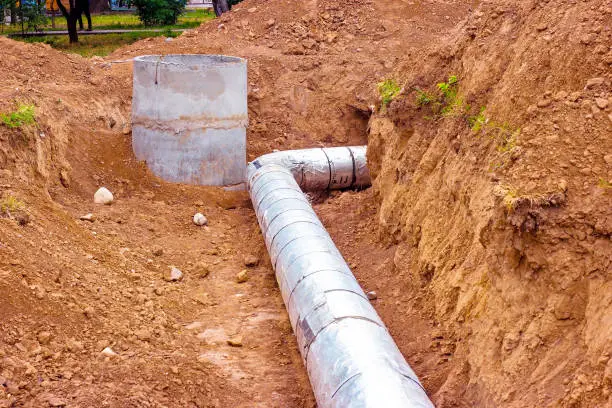
How OmiDrop Africa Delivers Smart Water Distribution Systems
At OmiDrop Africa, we specialize in deploying smart, GIS-based, and data-driven water systems across Africa. Our solutions are designed to serve growing populations, reduce costs, and protect the environment all while maximizing impact for both public and private clients.
Our Capabilities:
- Hydraulic modeling using WaterGEMS
- Real-time IoT monitoring and leak detection
- Customized GIS and SCADA system integration
- Consulting on non-revenue water reduction strategies
Why It Matters Now
Africa’s urban population is expected to double by 2050. With growing pressure on resources, utilities and governments need to invest in systems that are smart, scalable, and sustainable. Optimized water distribution is the low-hanging fruit that unlocks both economic efficiency and environmental resilience.
Ready to optimize your water system?
OmiDrop Africa offers expert guidance, modeling, and implementation support for utilities and development projects. Whether you are looking to reduce water loss, save energy, or build a smarter distribution network, we are here to help.